
What is HDPE Pipe? What are the uses and applications of HDPE pipe? What are its composition and properties?

What is HDPE Pipe?
High-Density Polyethylene, commonly known as HDPE, has revolutionized the world of piping. HDPE pipe, a remarkable creation of modern engineering, has found its way into a myriad of applications. This article embarks on a journey to explore What is HDPE pipe and what are its uses?
Composition of HDPE Pipe
At its core, an HDPE pipe is a sophisticated blend of materials, carefully designed to offer a combination of strength, durability, and flexibility. Understanding its composition is key to grasping its utility.
HDPE pipes are primarily composed of:
Polyethylene Resin: The core component of HDPE pipes is polyethylene resin, a thermoplastic polymer derived from petrochemical sources. It forms the base material with a unique molecular structure that imparts exceptional properties to the pipe.( The largest producer of polyethylene pipes in Iran )
Additives: To enhance its performance, various additives are incorporated into the HDPE resin. These additives include antioxidants, stabilizers, colorants, and processing aids. They improve the pipe’s resistance to environmental factors, ultraviolet (UV) radiation, and oxidation.
The Exceptional Properties of HDPE Pipe
HDPE pipes are renowned for their remarkable properties, which make them highly suitable for a wide array of applications.
Corrosion Resistance: HDPE pipes exhibit remarkable resistance to corrosion, making them an ideal choice for transporting various fluids, including corrosive chemicals.
High Strength: Despite their lightweight nature, HDPE pipes boast impressive tensile strength, with the ability to withstand significant pressure and external loads.
Flexibility: HDPE pipes are flexible and can be coiled for ease of transportation and installation. This flexibility reduces the need for extensive joints and fittings, minimizing the risk of leaks.
Durability: HDPE pipes have an extended service life, often exceeding 50 years, even in challenging environmental conditions. Their durability contributes to cost-effectiveness in the long run.

Applications of HDPE Pipe
HDPE pipes have found their way into a wide range of applications across various industries.
Water Distribution: HDPE pipes are commonly used for water supply and distribution due to their non-toxicity, corrosion resistance, and smooth inner surface that minimizes friction and ensures efficient water flow.
Gas Transportation: They are widely employed for natural gas distribution, providing a safe and reliable conduit for this vital resource.( Price list of HDPE pipes in 2023 )
Industrial Processes: HDPE pipes are used in industrial settings for transporting chemicals, acids, and other corrosive substances due to their resistance to chemical attack.
Agriculture: In agriculture, HDPE pipes are utilized for irrigation systems, promoting water efficiency and crop yield.
Utilities: They serve as protective conduits for underground cables and electrical wiring, ensuring the integrity of utility networks.
Sustainability and HDPE Pipe
In an era of heightened environmental awareness, the sustainability of materials and manufacturing processes is a paramount concern. HDPE pipes embrace sustainability in various ways.
Recycled Material: Many manufacturers incorporate recycled HDPE material into the manufacturing process, reducing the demand for virgin resin and promoting a circular economy.
Energy Efficiency: Energy-efficient extrusion processes and the use of renewable energy sources contribute to a greener footprint in HDPE pipe production.
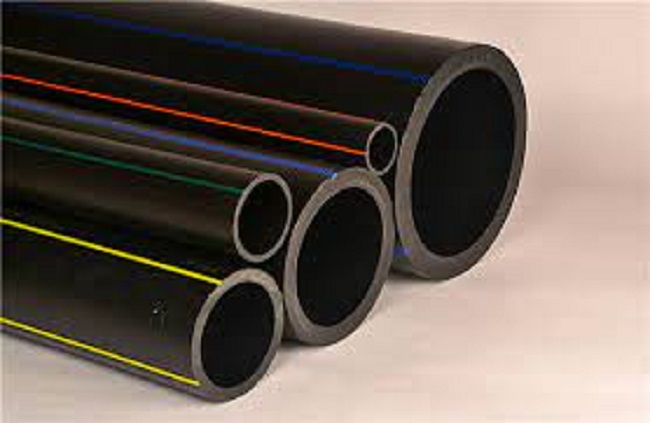
The Ubiquitous HDPE Pipe
HDPE pipes have become an integral part of our modern world, connecting communities, industries, and resources. Their remarkable composition, exceptional properties, and versatility have made them a preferred choice in a wide range of applications, from water distribution to gas transportation.
As we look to the future, the role of HDPE pipes in sustainable infrastructure development and resource management cannot be overstated. Their durability, corrosion resistance, and eco-friendliness position them as a conduit to a more resilient and efficient world. Whether silently delivering clean water to our homes or safely transporting essential gases, HDPE pipes continue to shape the infrastructure that supports our lives and industries.